The Unsung Heroes of Hollywood: Why Australian Stunt Talent Is Running the Show
The credits roll. The audience shuffles out, still buzzing from that corridor fight, that rooftop chase, that absolutely unhinged car sequence that made half the cinema audibly gasp. Nobody reads the stunt coordinator's name. But they absolutely felt their work.
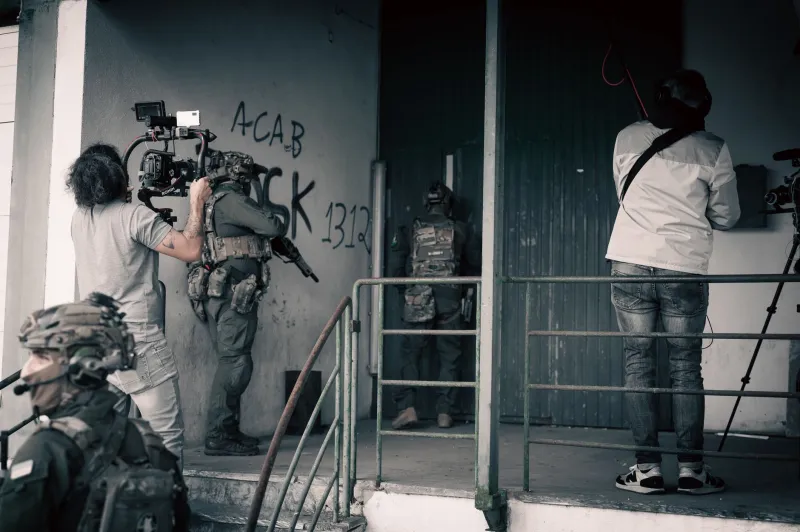
Australia has, over the past three decades, quietly exported some of the finest action talent in the world. While Aussie actors rightly get their share of Hollywood spotlight, it's the coordinators, stunt performers, and action designers working behind the camera who've arguably had the deeper, more lasting impact on how big-budget films actually feel in your chest. Here's a breakdown of the ways they've changed the game — ranked from impressive to genuinely revolutionary.
5. The Training Culture: Built Different From the Start
Before you can talk about what Australian stunt professionals do on set, you have to understand how they're built. The training culture within Australia's stunt community is notably different from its American or British counterparts — broader in scope, more cross-disciplinary, and with a strong emphasis on genuine athletic foundations before specialisation.
Many of Australia's top stunt performers come through backgrounds in gymnastics, martial arts, rodeo, motorsport, and surf lifesaving — disciplines that aren't just physically demanding but require the kind of situational awareness and split-second decision-making that translates directly to high-pressure set work. That diverse foundation means Australian stunt talent tends to be more versatile, capable of moving between a precision driving sequence and a hand-to-hand combat scene without needing entirely different specialists.
For productions, that versatility is enormously valuable. It means smaller, tighter teams who can do more — and who communicate better because they share a common physical language.
4. The Reef-to-Reef Range: Mastering Every Environment
Australia's geography is, genuinely, an unfair advantage. Growing up in a country where you might reasonably learn to surf, ride horses, navigate bushland, and operate on open water within a single childhood means Australian stunt performers have environmental adaptability baked in.
This shows up consistently in how Australian action coordinators approach location work. Productions that take their action sequences out of controlled studio environments — into real water, real terrain, real weather — report that Australian stunt teams adapt faster and problem-solve more effectively than crews used to working primarily on stages and backlots.
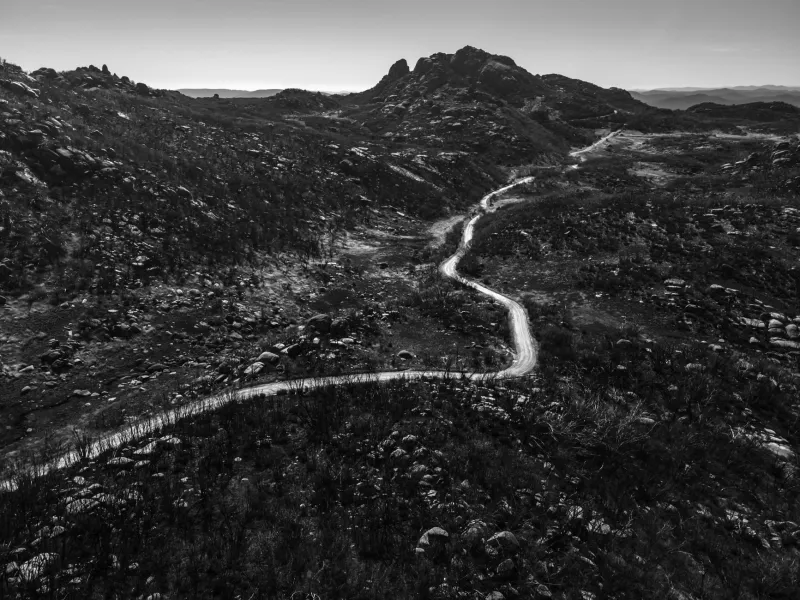
When a production needs to shoot a chase sequence through actual jungle, or stage a fight on a moving boat in genuinely rough seas, Australian stunt coordinators have often literally grown up in those conditions. That's not a minor edge. On location shoots with tight schedules and unpredictable environments, it's the difference between a sequence that gets done and one that gets cut.
3. The Choreography Philosophy: Less Flash, More Truth
Here's where Australian action design gets genuinely distinctive. There's a prevailing philosophy within the community — not universal, but consistent enough to be a real trend — that prioritises physical believability over spectacle for its own sake.
The influence of this approach is visible in how action sequences have evolved across major franchises over the past two decades. The hyper-edited, CGI-assisted chaos that dominated early 2000s action filmmaking has given way to longer takes, more grounded choreography, and fights that feel like they actually hurt. Australian coordinators have been central to that shift.
The reasoning is practical as much as artistic: audiences have become remarkably sophisticated at reading physical authenticity. A fight that's been carefully choreographed to look real — where the performers' bodies respond to impact the way bodies actually do, where the geography of the space is maintained, where the exhaustion accumulates — lands differently in the gut than one that prioritises flash. Australian stunt coordinators tend to obsess over that difference.
2. The Safety Innovation Record: Protecting People While Pushing Limits
This one doesn't get nearly enough attention, and it arguably should top the list in terms of lasting industry impact. Australian stunt professionals have been at the forefront of safety protocol development in ways that have genuinely saved lives across the global industry.
The Australian stunt community has historically maintained rigorous accreditation standards, detailed incident reporting, and a culture of post-production debrief that treats near-misses as seriously as actual injuries. Techniques and protocols developed within the Australian industry — particularly around vehicle work, fire gags, and fall arrest systems — have been adopted internationally.
This matters because the history of Hollywood stunt work includes genuine tragedy, and the industry's safety culture has improved significantly over the decades. Australian practitioners have been consistent advocates for the idea that spectacular and safe aren't in opposition — that the best action sequences are ones where everyone goes home, and that constraint often produces more creative solutions than unlimited risk-taking.
1. The Franchise Footprint: Shaping the Biggest Films on Earth
At the top of this list sits something that's hard to overstate: the sheer scale of Australian stunt talent's fingerprints on the films that have defined contemporary action cinema.
Across the Marvel Cinematic Universe, the Mission: Impossible series, the Fast & Furious franchise, major DC productions, and the most ambitious spy thrillers of the past twenty years, Australian stunt coordinators and second-unit directors have been in the room — often running it. The action sequences that have become cultural benchmarks, the set pieces that get broken down in YouTube videos and film school lectures, frequently have an Australian at the centre of their creation.
What's remarkable is that this dominance isn't the result of any single star coordinator's rise to prominence. It's systemic. The Australian stunt community has produced enough exceptional talent, consistently enough, that major productions have come to rely on Australian coordinators as a default rather than a discovery. That's a genuine industry transformation, achieved without much fanfare or award recognition.
The Credit They Deserve
Next time you're rewinding that fight scene — you know the one — spare a thought for the coordinator who built it from scratch, the stunt performer who took the hit for real, and the action designer who figured out how to make the impossible look inevitable. There's a decent chance at least one of them grew up somewhere between Broome and Bondi.
Australia doesn't just produce actors who can throw a punch convincingly. It produces the people who teach everyone else how.